Beautiful Lake Views
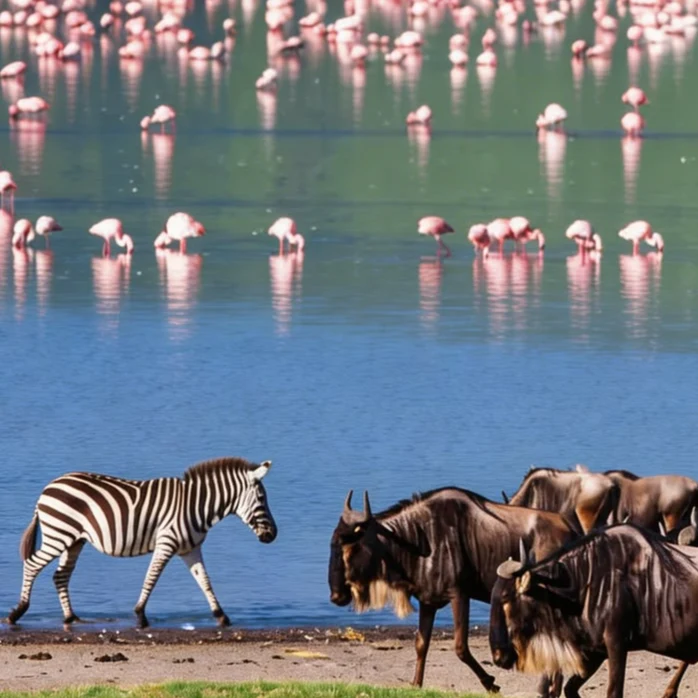
Enjoy views of Lake Manyara, with its changing colours, surrounding landscapes, and seasonal birdlife.

Private Tanzania safari
Explore Tanzania on a 3-day safari to Lake Manyara, Ngorongoro Crater, and Tarangire National Park, with flights to and from Zanzibar.
About this experience
Duration
3 Days
Destination
Safaris
Tour style
Private & flexible
What to expect
Enjoy views of Lake Manyara, with its changing colours, surrounding landscapes, and seasonal birdlife.
Discover different bird species, including pelicans, storks, and flamingos when conditions are suitable.
Look out for elephants moving through the forest and open grasslands in their natural habitat.
Explore the park's groundwater forests, open grasslands, and woodland areas, each offering a different natural experience
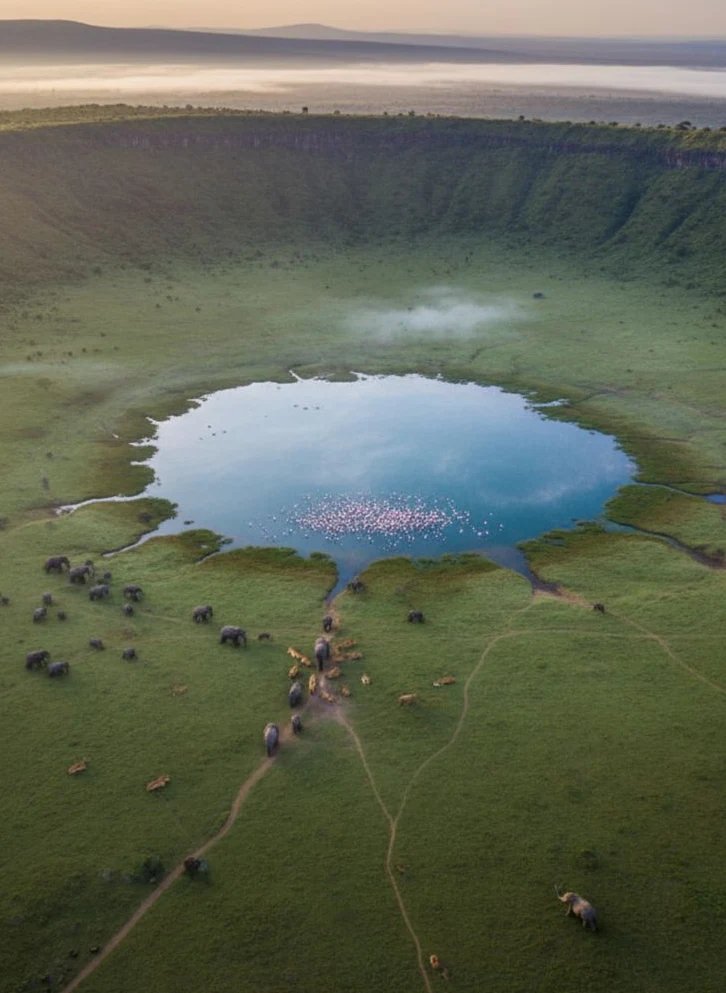
Enjoy breathtaking views of the crater, with its green grasslands, forests, and open plains.
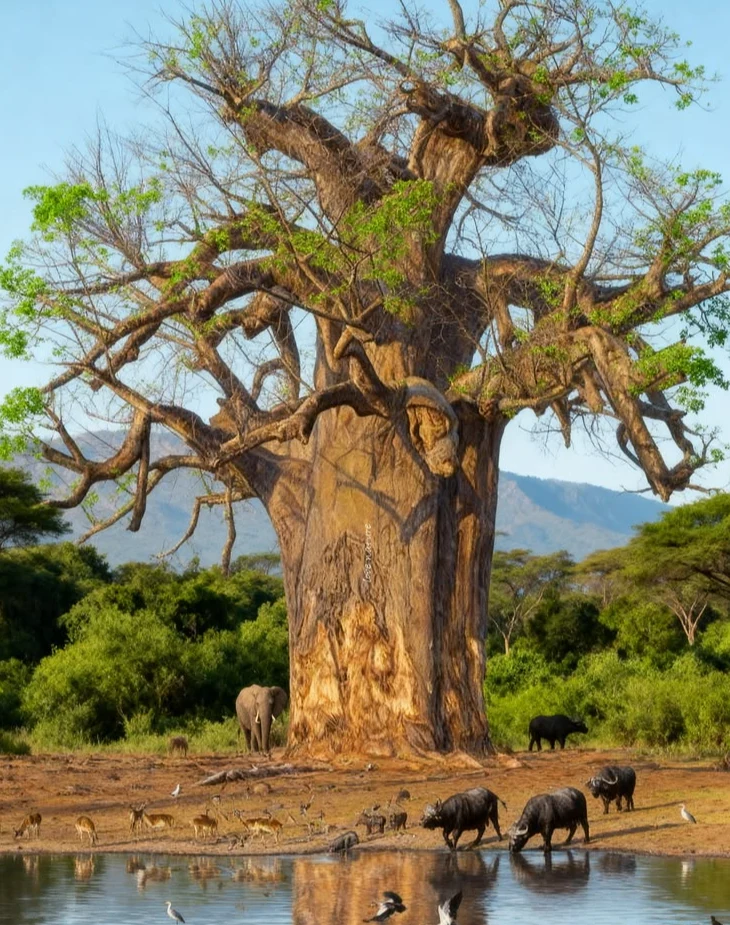
See the park's impressive baobab trees, which create a unique and beautiful African landscape.
Day by day
Day 1
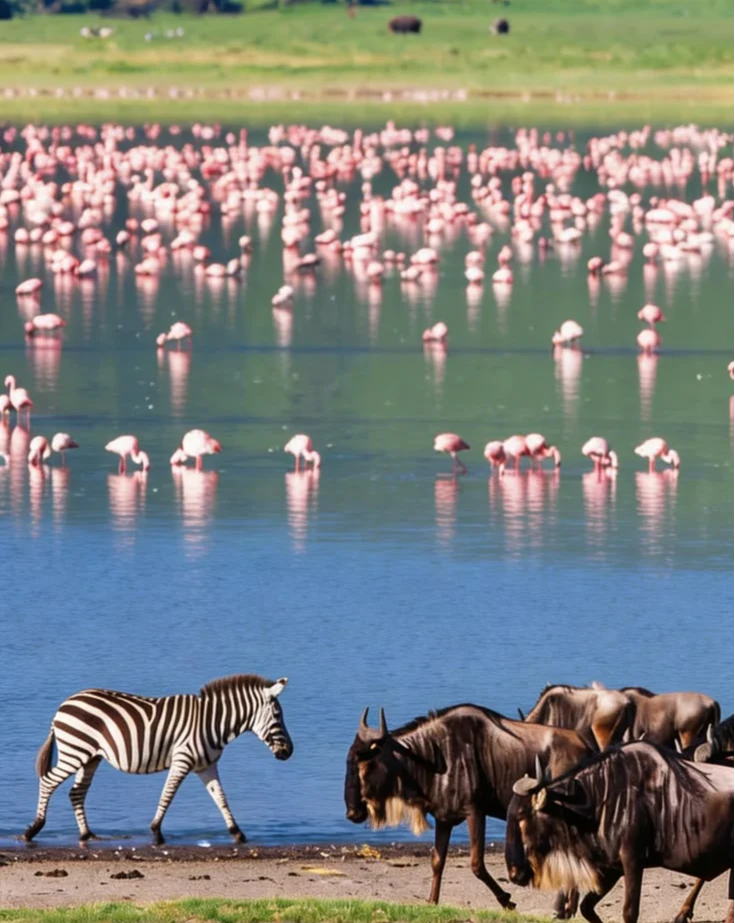
After arriving in Arusha from Zanzibar, your safari guide welcomes you and you begin the drive toward the scenic Rift Valley region. As you approach Lake Manyara, the landscape shifts from highland countryside to dense, groundwater forest Once inside the park, you enter a shady forest filled with ancient mahogany and fig trees. This is one of the best spots in Tanzania to see large groups of elephants moving silently among the trees. Blue monkeys jump between branches, and if you look carefully, you might spot a shy bushbuck hiding in the undergrowth. The lakeshore itself often glows pink with flamingos, while hippos gather in the cool waters. Lake Manyara is also known for its tree-climbing lions a rare behavior in lions so your guide may explore certain areas where they’re occasionally seen lounging on branches. As the afternoon light softens, you leave the park and head toward your lodge, usually in the Karatu. Stay and overnight Karatu lodge or Camp
Day 2
Your day begins with a beautiful journey through the Ngorongoro Conservation Area. At the crater rim, the landscape opens into a breathtaking view a vast, intact volcanic caldera, often misty in the morning, with sunlit patches revealing grasslands and lakes below. You descend into the crater via winding, scenic tracks that offer sweeping views of the cliffs. Once inside, the wildlife density becomes immediately obvious. This is one of the few places where you can find the Big Five in a single day. You explore a mix of habitats, Open grasslands where lions rest in the shade or patrol for prey Marsh areas home to elephants with impressively large tusks Shallow lakes dotted with hippos Lerai forest, a quieter region with monkeys, birds, and occasional leopards, A picnic lunch is usually enjoyed at a designated area near a hippo pool, stay and overnight at Karatu Lodge or Camp
Day 3
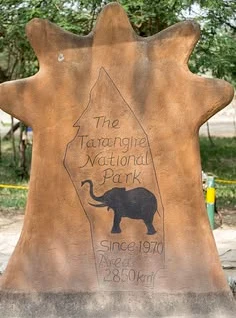
Your day begins with a journey into Tarangire National Park, an entirely different ecosystem from the previous two days. The park is instantly recognizable by its massive baobab trees, scattered across rolling landscapes and open plains. Tarangire is famous for having some of the largest elephant populations in East Africa. It’s very common to encounter family herds crossing the tracks or gathering near the Tarangire River, which acts as a vital water source and draws animals from across the region.As you explore deeper into the park, you encounter varied wildlife, giraffes moving gracefully between acacia trees, large groups of impala, waterbuck near riverbeds, and often lions resting beneath shrubs or perched on termite mounds. Birdlife here is also exceptional, with hundreds of species including hornbills, eagles, and colorful bee-eaters. After enjoying the changing landscapes, you leave the park and make your way back toward Arusha. Once back in Arusha, you head to the airport for your flight returning to Zanzibar, completing your safari journey.
What's included
Not included
Good to know
You should be aware that this is wild nature, so the guide cannot make any guarantees on the presence of specific wild animals, but you can be sure he will do his best to find everything you're looking for! The Zanki team has its radio channel that the drivers use to communicate with other guides and collaborate on searches for rare species. Take into consideration that to see certain animals you will have to start your day early in the morning, and it may be cold outside, so you should not forget to pack some warm clothes. For example, in the Ngorongoro Conservation Area before and after sunset the temperature can fall to 0°C.
In pictures
Your next adventure
Send your preferred date and traveller details. There is no payment or obligation to check availability.