
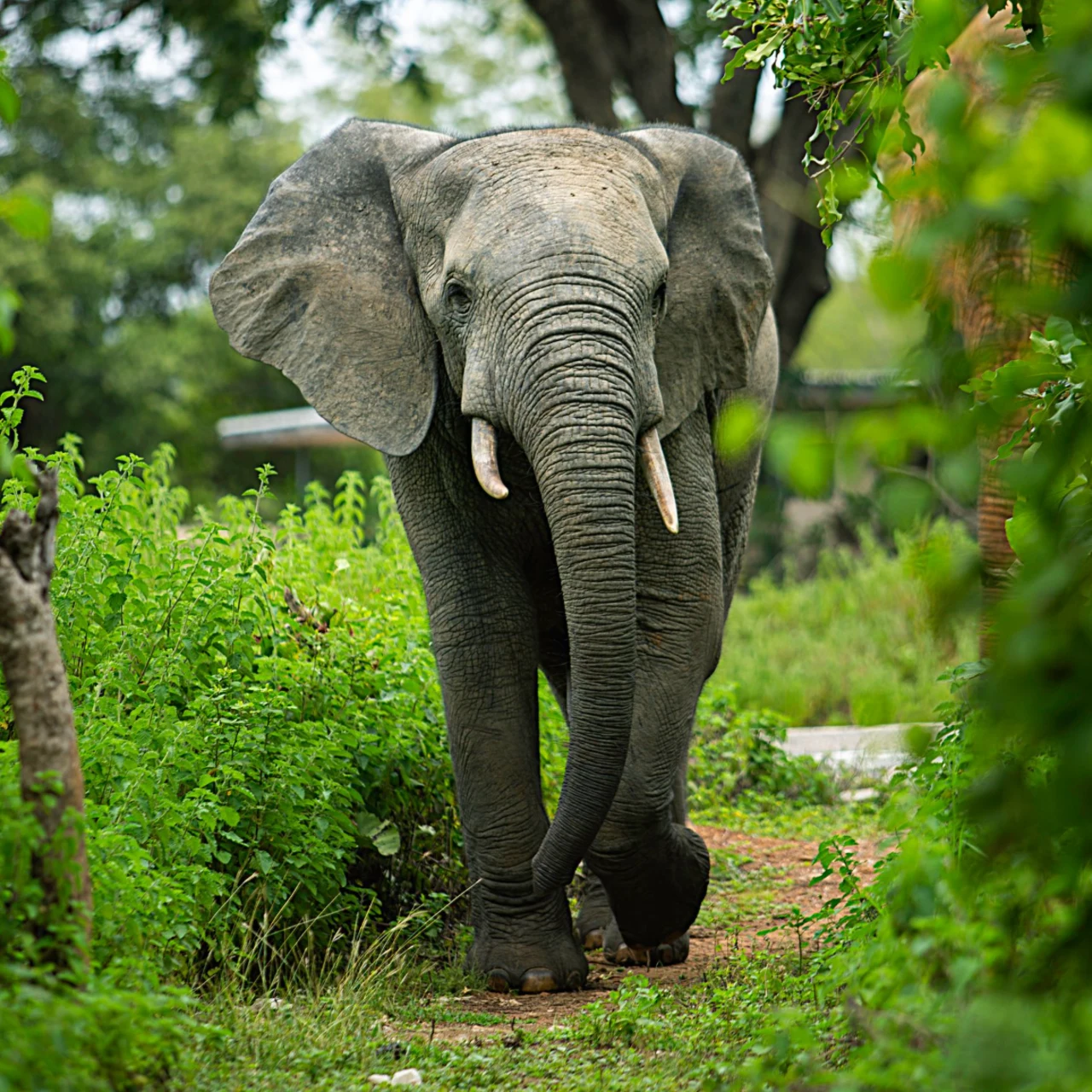
From the peaceful slopes of Mount Meru to the wildlife-rich plains of the Serengeti, discover why Arusha deserves more than a quick stop on your Tanzania adventure.
Arusha is often described as the safari capital of Tanzania, and for good reason. Located in northern Tanzania beneath the impressive slopes of Mount Meru, this lively city serves as a gateway to some of Africa's most extraordinary wildlife destinations.
But there is much more to Arusha than safari departures.
Colourful markets, welcoming communities, Tanzanian cuisine, coffee-growing villages and beautiful natural landscapes make Arusha a destination worth exploring in its own right.
Whether you're planning your first African safari, preparing to climb Mount Kilimanjaro or simply looking for authentic cultural experiences, Arusha offers an exciting introduction to Tanzania.
In this guide, we'll explore the best things to do in Arusha, when to visit, how to get around and how to plan an unforgettable safari adventure.
Why Arusha Should Be on Your Tanzania Travel Itinerary
Arusha brings together natural beauty, cultural diversity and convenient access to Tanzania's northern safari circuit.
The city sits near several remarkable destinations, including Arusha National Park, Tarangire National Park, Lake Manyara, Ngorongoro Crater and the Serengeti.
International travel platform KAYAK also highlights Arusha's cultural attractions, impressive landscapes, local food and access to wildlife experiences in its comprehensive travel guide.
For travellers comparing destinations and planning their journeys, the KAYAK Arusha Travel Guide offers a useful introduction to the city, including transport, accommodation and sightseeing information.
At Zanki Safaris, we believe the best way to experience Arusha is to combine its local attractions with the extraordinary natural experiences waiting beyond the city.
You might spend your first afternoon exploring a local market, enjoy dinner overlooking Mount Meru and wake up the following morning ready to begin your first game drive.
That's what makes Arusha special: the adventure begins long before you reach the national parks.
1. Discover the Natural Beauty of Arusha National Park
Just outside the city, Arusha National Park offers an incredible introduction to Tanzania's landscapes and wildlife.
Although smaller than the Serengeti, the park is wonderfully diverse.
Visitors can explore forested slopes, open grasslands, the Momella Lakes and the dramatic Ngurdoto Crater. On clear days, views of Mount Meru create an unforgettable backdrop.
The park is home to giraffes, zebras, buffaloes, warthogs, monkeys and numerous bird species.
One of its most distinctive experiences is the opportunity to join a guided walking safari in designated areas, accompanied by an authorised park ranger.
Unlike a traditional game drive, a walking safari allows you to notice smaller details, from animal tracks to native plants and bird calls.
Zanki Safaris tip: If you have an extra day before or after your main safari, Arusha National Park can be an excellent addition without committing to a long journey.
2. Explore Arusha's Culture, Markets and Local Life
Arusha is a meeting point for people from many parts of Tanzania, and its streets reflect this cultural diversity.
Local markets provide a lively introduction to everyday life. You'll find fresh produce, colourful fabrics, spices, household goods and conversations taking place in Swahili and other languages.
For visitors interested in traditional craftsmanship, the Cultural Heritage Centre is a popular stop.
Its collections and shops feature African artwork, sculptures, textiles, jewellery and gemstones, including tanzanite, a precious stone closely associated with northern Tanzania.
For a more personal cultural experience, consider visiting communities around Arusha through a responsibly organised cultural tour.
Such experiences can introduce travellers to local agriculture, traditional food preparation and community-led tourism initiatives.
When visiting markets or villages, always ask permission before photographing people and respect local customs.
The most memorable travel experiences often come from meaningful interactions rather than simply collecting photographs.
3. Experience the Flavours of Tanzanian Cuisine
One of the simplest ways to connect with Arusha is through its food.
Tanzanian cuisine combines local ingredients, regional traditions and influences from across East Africa and the Indian Ocean.
During your visit, consider trying:
Nyama choma: Grilled meat, commonly enjoyed with friends and family.
Ugali: A traditional maize-based staple, often served with vegetables, meat or sauces.
Pilau: Fragrant spiced rice, especially popular during gatherings and celebrations.
Chapati: A soft flatbread commonly enjoyed with tea or savoury dishes.
Chipsi mayai: A popular Tanzanian dish combining fried potatoes and eggs.
Arusha also has cafés and restaurants offering international dishes, fresh coffee and vegetarian options.
If you're planning an early safari departure, ask your accommodation or safari organiser about breakfast arrangements and packed meals.
A little preparation makes those early mornings much easier.
4. Begin an Unforgettable Safari from Arusha
For many international visitors, Arusha is the starting point for the experience they've dreamed about for years: an African wildlife safari.
The city provides access to Tanzania's famous northern safari circuit, where landscapes change from ancient baobab forests to volcanic highlands and endless savannah.
Tarangire National Park: Elephants and Ancient Baobabs
Tarangire is especially famous for its elephant populations and magnificent baobab trees.
During the dry season, wildlife often gathers near the Tarangire River, creating rewarding opportunities for game viewing.
The park is an appealing choice for travellers who enjoy varied scenery and want to experience a quieter atmosphere than some of the northern circuit's most famous destinations.
Ngorongoro Crater: A Remarkable Wildlife Sanctuary
The Ngorongoro Crater is one of Tanzania's most extraordinary natural landmarks.
This vast volcanic caldera supports a rich concentration of wildlife, including lions, buffaloes, zebras, wildebeests, elephants and the endangered black rhinoceros.
A game drive on the crater floor can provide remarkable wildlife encounters, although sightings of individual species are never guaranteed.
Serengeti National Park: Endless Plains and Wildlife Encounters
The Serengeti is internationally celebrated for its sweeping grasslands, predator populations and the annual movement of wildebeests and zebras through the wider Serengeti–Mara ecosystem.
Wildlife viewing is possible throughout the year, but the location and timing of migration herds change with rainfall and grazing conditions.
A multi-day safari generally offers a more relaxed experience than trying to cover too many destinations in a short period.
Planning your safari? Explore Zanki Safaris' available Tanzania safari experiences, compare itineraries and choose the adventure that matches your travel dates, interests and budget.
5. Discover Mount Meru and the Landscapes Around Arusha
Mount Meru is one of the most striking features of Arusha's skyline.
Standing approximately 4,566 metres above sea level, it is Tanzania's second-highest mountain and a rewarding destination for experienced hikers seeking a challenging mountain adventure.
A Mount Meru climb typically takes several days and requires appropriate preparation, park arrangements and guiding support.
You don't have to climb the mountain to appreciate its beauty, however.
The surrounding region offers scenic viewpoints, forest landscapes and opportunities to explore nearby villages.
Travellers interested in photography should keep their cameras ready during clear mornings, when the mountain can appear particularly dramatic against the sky.
6. Enjoy Coffee Experiences and Relaxing Day Trips
Northern Tanzania has a long history of coffee cultivation, and the areas around Arusha offer opportunities to learn about coffee production.
Depending on the experience, visitors may explore coffee-growing areas, learn how beans are processed and enjoy a freshly prepared cup.
Lake Duluti, located east of Arusha, is another appealing option for travellers seeking a slower day.
Its peaceful crater-lake setting provides opportunities for nature appreciation, birdwatching and guided activities offered by local operators.
These experiences are particularly useful if you're arriving early for a safari or spending an additional day in the region.
Rather than rushing directly from the airport into a packed itinerary, allow yourself time to discover the surroundings.
7. When Is the Best Time to Visit Arusha?
Arusha is a year-round destination, although the weather and safari experience vary throughout the year.
June to October: The drier months
This is generally a popular period for northern Tanzania safaris. Vegetation becomes less dense in many areas, and wildlife can be easier to observe around reliable water sources.
November to December: The short-rains period
Rainfall patterns vary, but these months can bring greener landscapes and beautiful photographic conditions.
January to February: Warm conditions and varied safari opportunities
These months can be appealing for visitors exploring northern Tanzania. In suitable seasonal conditions, the southern Serengeti and Ndutu region may offer opportunities to observe wildebeest calving activity.
March to May: The long-rains season
Rainfall is often heavier during this period. Some roads and activities may be affected, but the scenery can be exceptionally green, and certain accommodations may offer seasonal rates.
There is no single perfect month for every traveller.
The best time depends on whether your priority is wildlife photography, migration activity, mountain trekking, comfortable weather or avoiding peak-season crowds.
8. How to Get to Arusha
Most international visitors travelling to Arusha arrive through Kilimanjaro International Airport (JRO).
The airport serves the northern Tanzania tourism region and is commonly used by travellers heading to Arusha, Moshi and nearby safari destinations.
Arusha Airport (ARK) primarily serves domestic and regional aviation connections, including some safari flights.
Visitors can travel from Kilimanjaro International Airport to Arusha by prearranged private transfer, taxi or other available ground transport.
The journey often takes around one to one-and-a-half hours, depending on traffic and the exact destination.
For a smoother arrival, arrange your transfer before travelling, especially if your flight lands in the evening.
Zanki Safaris can be contacted about suitable transfer and safari arrangements according to your itinerary.
9. How Many Days Should You Spend in Arusha?
The ideal amount of time depends on your overall Tanzania itinerary.
One day in Arusha: Enjoy a relaxed introduction to the city, visit the Cultural Heritage Centre, explore a local café and prepare for your safari departure.
Two days in Arusha: Add a visit to Arusha National Park, a coffee experience or a scenic excursion around Lake Duluti.
Three or more days: Combine city experiences with nearby nature activities, cultural visits and a more relaxed travel schedule.
If your primary goal is a safari in Tarangire, Ngorongoro or the Serengeti, remember to allocate separate days for travel and game drives.
Trying to visit every major attraction in a short itinerary can leave you spending more time on the road than enjoying the destinations.
10. Practical Travel Tips for First-Time Visitors
A little local knowledge can make your Arusha experience much more comfortable.
Carry some Tanzanian shillings. Cards are accepted at many established tourism businesses, but local markets and smaller purchases may require cash.
Pack layers. Arusha can feel cool in the mornings and evenings, particularly during certain seasons.
Choose reputable transport. Arrange airport pickups and longer journeys with established providers.
Respect local communities. Learn a few Swahili greetings, dress appropriately for your activities and request permission before taking close-up photographs.
Check travel requirements. Confirm current visa, passport, vaccination and entry requirements using official sources before departure.
Allow time between activities. Northern Tanzania's landscapes are vast, and travel times can be longer than expected.
Book important safari arrangements early. Popular accommodation options and preferred itineraries can fill up during busy travel periods.
11. Planning Your Arusha Adventure with KAYAK and Zanki Safaris
A memorable Tanzania journey starts with good information and thoughtful planning.
For travellers researching their destination, KAYAK's Arusha tourism and travel guide provides additional information about getting to the city, places to stay, local attractions and transport options.
It can be a useful companion when comparing the practical elements of your journey.
Once you've explored the destination, the next step is deciding what you want to experience.
Would you prefer an exciting wildlife safari in the Serengeti? A scenic journey through Tarangire? A visit to the Ngorongoro Crater? Or a longer adventure combining several national parks?
At Zanki Safaris, our goal is to help travellers discover Tanzania through thoughtfully planned safari experiences and useful local travel information.
We encourage you to explore our Tanzania travel guides, learn about the destinations that interest you and choose a safari experience suited to your journey.
Because visiting Tanzania isn't just about reaching a destination.
It's about the landscapes you discover, the people you meet and the memories you bring home.
Frequently Asked Questions About Arusha
Is Arusha worth visiting?
Yes. Arusha offers cultural attractions, markets, local food, beautiful mountain scenery and access to several of Tanzania's most famous safari destinations. It is worth exploring beyond simply using it as a transit point.
Is Arusha a good starting point for a safari?
Absolutely. Arusha is one of the main departure points for safaris to Tarangire, Lake Manyara, Ngorongoro and the Serengeti.
Can you see Mount Kilimanjaro from Arusha?
Mount Kilimanjaro may be visible from certain viewpoints around the region on exceptionally clear days, but Mount Meru is the mountain most closely associated with Arusha's skyline.
How far is the Serengeti from Arusha?
The distance depends on which part of the Serengeti you're visiting. Reaching the central Serengeti by road can take much of a day, depending on the route, stops and road conditions. Some travellers choose domestic flights to reduce travel time.
What is Arusha famous for?
Arusha is known for its role as Tanzania's northern safari gateway, its proximity to Mount Meru, its cultural diversity and its connections to major national parks.
Should I book my Tanzania safari before arriving?
Advance planning is recommended, particularly during popular travel months. Booking ahead provides more time to compare itineraries, discuss accommodation preferences and arrange suitable transport.
Continue Exploring Tanzania with Zanki Safaris
Your journey doesn't have to end with Arusha.
Discover the wildlife of the Serengeti, explore the breathtaking Ngorongoro Crater, experience the landscapes of Tarangire and learn more about the people and places that make Tanzania extraordinary.
Explore more Tanzania travel guides for destination inspiration, practical planning advice and ideas for your next adventure.
Ready to turn those ideas into an unforgettable experience?
Browse our Tanzania safari packages or contact Zanki Safaris to discuss your preferred destinations, travel dates and safari interests.